Understanding Scenic Train Routes Across United States Rail Landscapes
United States passenger rail spans intercity Amtrak corridors, state-supported regional services, private luxury operators, and hundreds of heritage lines interpreting industrial history. Educational travelers researching scenic train routes and daylight corridor planning benefit from treating each trip as a moving geography lesson where mileage, elevation, seasonal light, and host-railroad dispatch priorities shape what appears outside the window.
Scenic rail travel differs from air and highway tourism in pacing, sightline height, and access to landscapes crossing the Rocky Mountain corridor, Pacific Northwest main lines, and desert Southwest segments. Trains follow rights-of-way chosen for engineering efficiency decades ago, which often places passengers closer to river gorges, harbor edges, and mountain benches than parallel highways allow. Educational preparation emphasizes reading operator timetables, understanding class-of-service differences, and verifying current schedules through official carrier websites rather than outdated social posts.
This guide presents general educational information about scenic railway travel across the United States. It does not constitute personalized travel advice, ticket guarantees, on-time performance promises, seat availability assurances, or safety outcomes. Always verify schedules, fares, accessibility services, and route status through official operator channels and station staff before purchasing tickets or boarding.
How Scenic Train Routes Fit Into the National Passenger Rail Network
Amtrak operates the backbone long-distance network connecting more than five hundred communities, while state partners fund regional corridors in California, the Pacific Northwest, the Midwest, and the Northeast. Commuter agencies share tracks with intercity trains in dense metros, creating complex dispatch patterns that may affect holding times outside scenic segments. Understanding which entity operates your train clarifies where to find real-time alerts, bicycle policies, and disability assistance request forms.
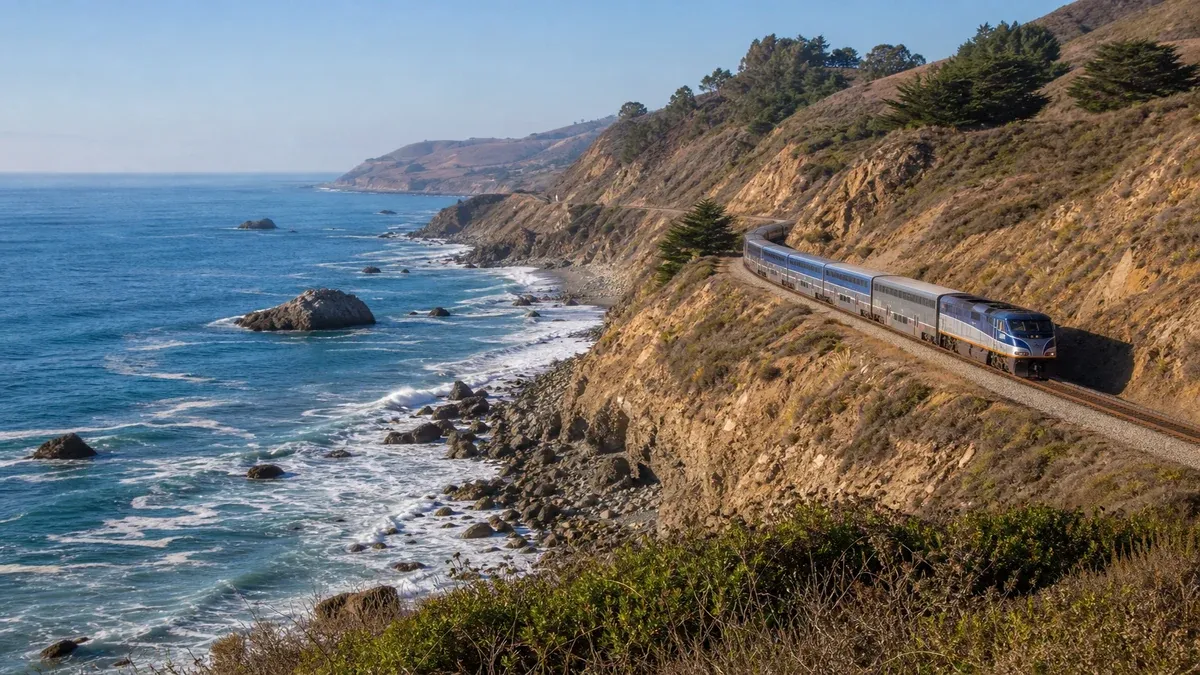
Heritage and excursion railroads typically run on short branch segments with seasonal calendars distinct from daily intercity service. Their educational value often lies in California Zephyr-style mountain crossings, Coast Starlight-style ocean views, and Empire Builder-style lake country, interpreted by docents or onboard narration. These operators may use vintage rolling stock with different step heights, restroom configurations, and open-window policies than modern Amtrak equipment.
Scenic value arises from the combination of route geography and train scheduling rather than marketing labels alone. A corridor advertised as scenic may pass key viewpoints at night if departure times shift seasonally. Educational planners compare scheduled departure and arrival times against sunrise and sunset tables for the month of travel, noting that daylight saving transitions can change effective viewing windows without route changes.
- Download official route guides and PDF timetable supplements when carriers publish them.
- Identify whether your segment runs on host freight railroad tracks subject to freight priority dispatch.
- Confirm whether observation or sightseer lounges require separate reservations or class upgrades.
- Check whether construction programs temporarily bus-bridge segments with reduced window viewing.
Regional Context for Scenic Train Routes in American Landscapes
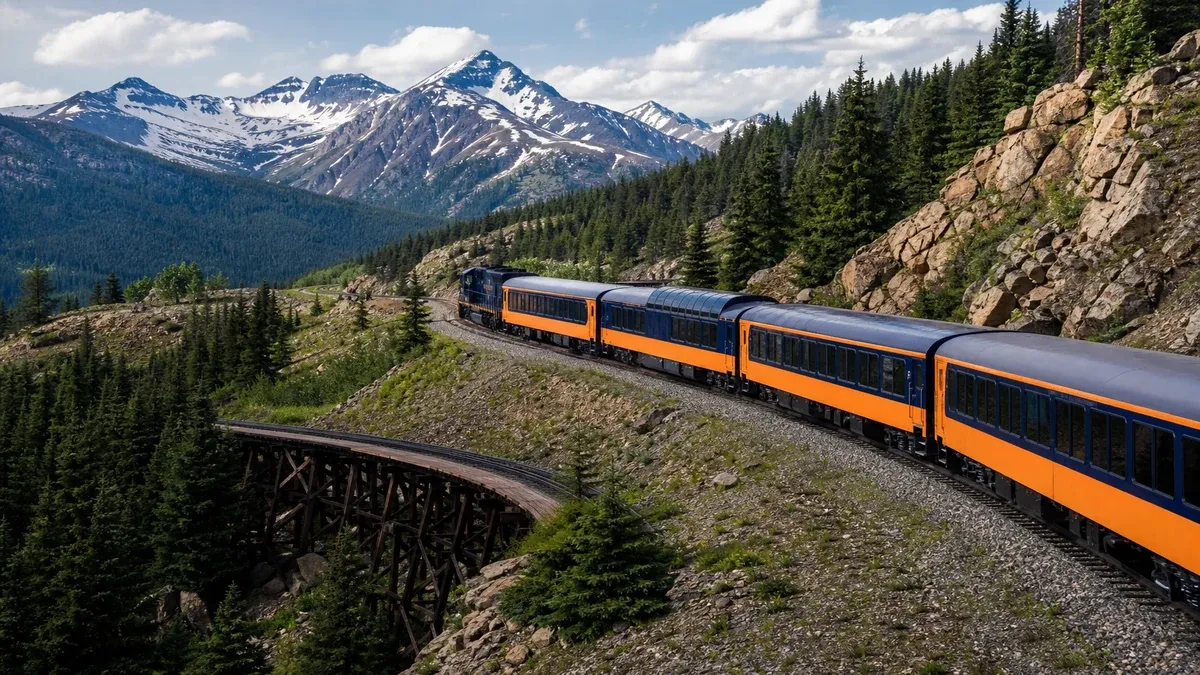
Western transcontinental routes cross multiple life zones within single travel days, from high desert sagebrush to subalpine conifer forests above timberline cuts. Passengers studying scenic train routes and daylight corridor planning observe how railroad engineers selected grades, tunnels, and river crossings that still define milepost references in crew bulletins and volunteer commentary scripts.
Eastern routes traverse older industrial corridors where cities, rivers, and canal systems influenced track placement. Tree canopy may limit distant vistas while providing intimate views of historic factories, depots, and floodplain agriculture. Routes through the Rocky Mountain corridor, Pacific Northwest main lines, and desert Southwest segments illustrate how the same equipment can feel dramatically different depending on terrain openness and seasonal foliage density.
Southern and Gulf Coast lines introduce humidity, low relief, and long bridge trestles across wetlands visible at treetop height from elevated coaches. Mountain-adjacent segments in Appalachia and the Rockies may include sharp curves that slow trains enough for extended viewing but also increase lateral motion affecting photography and comfort for sensitive travelers.
Reading Topography from a Moving Train
Elevation profiles published in historical railroad atlases help anticipate when scenic train routes will dominate a journey versus when forests or urban backdrops fill the frame. Long uphill grades may align with river canyons; summit tunnels remove views temporarily but mark transitions between watersheds educational geographers study.
Cut-and-fill construction exposes rock layers and landslide scars maintained by track crews year-round. Observing retaining walls, snow sheds, and slide fences teaches how railroads manage hazards that highway engineers address differently. None of this observation substitutes for official safety briefings or emergency procedures posted onboard.
- Carry a paper map or offline atlas when cellular coverage drops in remote mountain segments.
- Note milepost numbers mentioned in crew announcements to correlate later with published route guides.
- Expect brief station stops where local boarding may block platform-side views temporarily.
- Respect crew instructions to remain seated when approaching yard limits or industrial areas.
Planning Frameworks for Scenic Train Routes
Educational itinerary design starts with clarifying learning goals rather than chasing photographic trophies. Some travelers prioritize California Zephyr-style mountain crossings, Coast Starlight-style ocean views, and Empire Builder-style lake country; others focus on depot architecture, dining car operations, or comparing diesel and electric traction where both exist. Listing priorities helps allocate time across multi-day trips without assuming unlimited seating in popular car types.
Ticket class affects access to certain cars, lounge seating, and included meals on some operators. Researching amenities in neutral terms avoids disappointment when legacy equipment differs from marketing renders. Accessibility needs—including wheelchair lift availability, accessible room dimensions, and service animal policies—should be confirmed through official reservation channels with documented confirmation numbers.
Connection planning on scenic routes requires buffer time when a single late freight train can delay multiple passenger services on shared tracks. Educational materials describe typical delay categories without predicting specific outcomes. Overnight stops in gateway cities break long routes into manageable segments and allow daytime-only local excursions on branch heritage lines.
- Photograph ticket confirmations and accessibility request numbers separately from payment card details.
- Pack binoculars and a small notebook for milepost notes without obstructing aisleways.
- Review baggage limits before packing large camera cases or folding bicycles.
- Carry snacks and hydration even when dining cars operate, since service pauses during delays.
Balancing Budget, Time, and Viewing Priorities
Lower-fare coach seats may still access stunning corridors; the tradeoff is often seat orientation relative to train direction, which operators sometimes allow passengers to change at unoccupied discretion without guarantee. Roomette and bedroom accommodations provide privacy and overnight scheduling flexibility on multi-day routes but require early booking during peak foliage and holiday periods.
Regional day trips on state-supported trains can sample scenic train routes and daylight corridor planning without multi-night commitments. Comparing round-trip mileage against rental-car driving highlights fuel, parking, and fatigue tradeoffs educational economists discuss, without asserting rail is universally superior.
Onboard Experience and Interpretation Related to Scenic Train Routes
National Park Service and nonprofit partners occasionally fund Trails and Rails or similar volunteer programs on select Amtrak routes, providing narrated context about geology, history, and ecology. Availability varies by season and volunteer staffing; absence of narration does not indicate route deficiency. Many travelers prepare self-guided commentary using reputable railroad history books and USGS topographic maps.
Dining and café cars serve as social spaces where crew members sometimes share operational anecdotes within appropriate professional boundaries. Listening respectfully differs from demanding extended conversation during busy service periods. Quiet cars on some trains prohibit loud phone calls and amplified media, supporting passengers who prefer contemplative viewing.
Observation cars with wraparound glass remain prized for scenic train routes, yet capacity limits and standing-room dynamics during peak travel can require rotation policies. Educational travelers accept that equitable access matters more than exclusive viewing claims. Window cleaning schedules and exterior grime affect photography; gentle expectations reduce frustration.
- Use both sides of the train when route guides note milepost-specific landmarks on particular sides.
- Lower window shades during midday glare hours on desert segments to reduce eye strain.
- Ask conductors for estimated timing to notable landmarks when safe and workload permits.
- Follow photography policies that restrict flash or tripod use in moving equipment.
Seasonal and Environmental Factors Affecting Scenic Train Routes
Spring snowmelt swells rivers visible from canyon routes, while late-summer wildfire smoke may obscure mountain panoramas hundreds of miles from active incidents. Winter schedules may combine shorter daylight with equipment cold-start procedures affecting station dwell time. Educational planners monitor National Weather Service forecasts along entire corridors, not only origin cities.
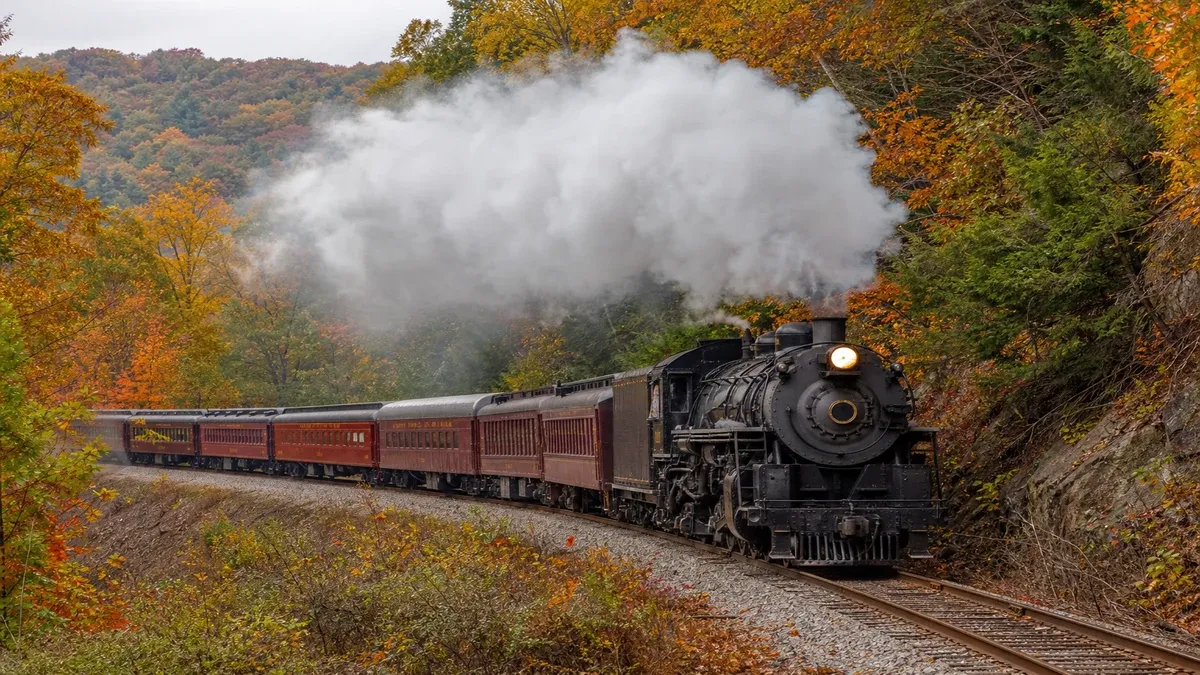
Fall foliage timing varies by elevation and species mix along the Rocky Mountain corridor, Pacific Northwest main lines, and desert Southwest segments. A single train route may show green valleys and peak color on adjacent slopes simultaneously. Operators rarely guarantee foliage peaks; travelers accept natural variability as part of landscape education rather than a service defect.
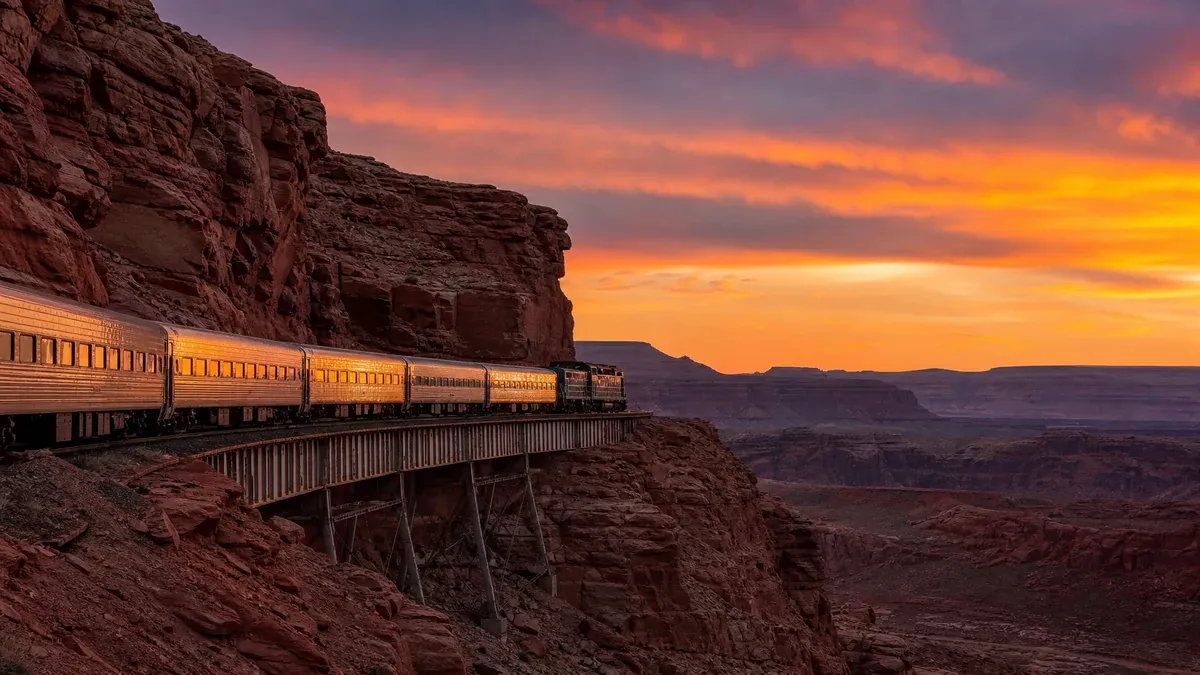
Monsoon thunderstorms in southwestern segments can produce dramatic cloud formations or temporary speed restrictions for track safety. Heat extremes affect air-conditioning load and occasional speed orders on buckling-risk rail. Each condition illustrates infrastructure resilience topics rail engineers study.
Weather Delays and Traveler Decision Points
Host railroads issue slow orders for high winds, flooding, and track defects discovered by inspection vehicles. Passenger operators communicate delays through text alerts, station agents, and onboard announcements when connectivity allows. Educational travelers pre-identify alternate return options without assuming automatic rebooking policies across all fare types.
Travel insurance decisions belong to individual risk tolerance discussions; this guide does not recommend specific products or promise reimbursement outcomes.
- Save operator customer service numbers offline before entering dead zones.
- Monitor official Twitter or alert feeds only from verified operator accounts.
- Allow extra connection time during winter holidays when freight and passenger volume peak.
- Pack layer clothing for temperature swings between desert floors and mountain passes.
Stations, Connections, and Gateway Cities for Scenic Train Routes
Major union stations combine retail, transit connections, and historic architecture worth studying before boarding. Allow arrival time for security-conscious bag checks where implemented, elevator navigation, and finding correct boarding tracks in multi-level terminals. Smaller flag stops may lack staffed agents; passengers must understand self-boarding procedures and platform safety lines.
Gateway cities along the Rocky Mountain corridor, Pacific Northwest main lines, and desert Southwest segments offer museums, roundhouse tours, and model railroad exhibits complementing mainline travel. Scheduling layovers transforms long-distance rail into multi-modal educational trips without implying every city offers equal rail heritage resources.
Intercity buses and light rail sometimes substitute during track maintenance programs advertised weeks in advance. Reading operator service advisories prevents surprise bus segments that may bypass scenic mileage entirely.
Ethics, Safety, and Community Context Around Scenic Train Routes
Trackside photography from public locations requires awareness of trespassing laws on active railroad property. Never enter yards, bridges, or tunnels without explicit authorized tours. Onboard photography should respect fellow passengers' privacy; telephoto lenses pointed at private yards or individuals without consent raise ethical concerns educational photographers debate.
Rail corridors traverse tribal lands, rural communities, and industrial zones where residents experience train noise and horn regulations differently than vacation travelers. Approaching communities as living places—not backdrops—aligns with respectful travel education emphasized throughout this site.
Emergency procedures posted near doors and explained by crew include evacuation routes and braking equipment locations. Participating in safety briefings when offered supports collective preparedness without dramatizing low-probability events.
- Report suspicious packages or unattended items to crew using onboard intercoms or staff.
- Keep aisles clear of luggage during station stops and emergency readiness periods.
- Use seat belts only where provided; hold handrails when moving through cars on curves.
- Follow crew directions during mechanical inspections or weather holds without debate.
Integrating Scenic Train Routes Into Broader Rail Learning
Document observations in a travel journal keyed to mileposts, weather, and car type to compare future trips objectively. Cross-reference experiences with railroad historical society publications covering California Zephyr-style mountain crossings, Coast Starlight-style ocean views, and Empire Builder-style lake country for deeper context on why routes exist in their current form.
Library archives, federal railroad administration safety statistics, and university transportation departments provide open educational resources beyond tourism marketing. Engaging with these sources builds critical literacy about public investment, host-railroad relationships, and environmental review processes shaping future corridor improvements.
Returning to the same scenic train routes and daylight corridor planning in different seasons reveals landscape dynamics invisible in single trips. Educational travelers may prioritize repeatability over checklist completion, accepting that rail travel teaches patience alongside geography.
Questions to Ask Official Sources Before Departure
Station agents and reservation specialists can clarify accessibility equipment at specific stops, bicycle rack counts, and pet policies when rules change seasonally. Written confirmations reduce misunderstandings when multiple agents interpret policy differently.
- Ask whether track work will affect your specific train number on travel dates.
- Confirm dining car hours if medical dietary needs require meal timing flexibility.
- Request assistance boarding if platforms use temporary low-level boarding during construction.
- Verify whether delays qualify for alternate transportation under your fare rules.